

The festival of Diwali celebrated in three cultures
Enthusiastically celebrated by people of all nationalities, races and religions, Diwali, the festival of lights, creates a magical world of joy and festivity. It celebrates the victory of good over evil – and the glory of light over darkness. The word Diwali or Deepavali means ‘a row of lamps’.
Diwali marks new beginnings and a renewal of commitment to family values, and represents joy, love, reflection, resolution, forgiveness, light and knowledge.
The Sikh Festival of Diwali
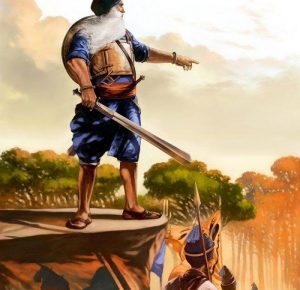
Sikhs celebrate Diwali to express joy at the return of the sixth Guru, Guru Hargobind Ji, to Amritsar in 1620. Emperor Jahangir had imprisoned him along with 52 Hindu kings. The Guru was granted freedom but refused to leave until the kings were also released. To commemorate his determination and undying love for Sikhism, people lit the way to the Golden Temple in his honour.
The Hindu Festival of Diwali
Hindus observe Diwali over a period of five days.
The first day of Diwali, called Dhanvantari Trayodasi, sees Hindu families offering prayers to the Goddess of wealth (Lakshmi) to remember that wealth is considered a benediction from God.
The second day, called Narak Chaturdasi is associated with the defeat of the demon king Narakasura by Lord Krishna, who freed 16,000 captive women. This day reminds us to not abuse our power and to channel our strength for the greater benefit of humankind.
The third day is actually the day of Diwali. According to the Ramayana, the people of Ayodhya illuminated the kingdom with earthen lamps (diyas) to celebrate the return of their king, Lord Rama after he defeated the demon king Ravana who had captured His wife Sita.
The fourth day is the Hindu New Year or Govardhana Puja, and is a time for reconciliation and forgiveness. On this day, Hindus offer thanksgiving to cows and worship Lord Krishna with offerings of food arranged in the form of Govardhana, a hill in Vrindavana.
The fifth day of Diwali is called Bhaiya Duj and is dedicated to the relationship between a brother and sister. It is the day when every brother takes time to visit the home of his sister and her family.
The Jain Festival of Diwali
Jains celebrate Diwali as festival of light, a symbolic representation of the knowledge that was given by Lord Mahavira for the peace and welfare of all living beings. It marks the anniversary of the attainment of moksha by Mahavira in 527 BCE and achievement of omniscience by his chief disciple Gautam Indrabhuti.

- British Sikh Peer Kulveer Ranger Faces Suspension in House of Lords - May 27, 2024
- Manmohan Singh: The Economist Who Reshaped India’s Destiny - December 26, 2024
- Sikh Kara: A Glorious Expression of Sikhism’s Rich Heritage - July 22, 2023
- The Guru Granth Sahib: Sikhism’s Holy Book - July 3, 2023
- When Was the Golden Temple Built – Unveiling the Origins - June 13, 2023
- Why do Sikhs wear turbans – Sikhs Online - April 18, 2023
- Navigating Life with Teachings of Guru Nanak - April 6, 2023
- Kulveer Ranger’s Biography, Wife, Career, Achievements - April 3, 2023
- Sidhu Moosewala Biography: Height, Age, First Song and More - March 26, 2023
- The life of Amrita Sher-Gil: India’s Frida Kahlo - April 15, 2020

-
 Mental Health Through the Social Media Filter – Is It Toxic?
-
 British Sikh Peer Kulveer Ranger Faces Suspension in House of Lords
-
 Manmohan Singh: The Economist Who Reshaped India’s Destiny
-
 Sikh Kara: A Glorious Expression of Sikhism’s Rich Heritage
-
 The Guru Granth Sahib: Sikhism’s Holy Book
-
 When Was the Golden Temple Built – Unveiling the Origins